
Regular grooming is an essential part of responsible pet ownership. It’s not just about keeping your pet looking good; it’s also about their health and well-being. Here are some key tips for maintaining a healthy grooming routine for your dogs and cats.
1. Brushing for a Healthy Coat
Brushing helps remove loose fur, dirt, and dander, preventing painful mats and tangles. For dogs, the frequency depends on their coat type, while most cats benefit from a weekly brushing session to reduce hairballs.
2. Bathing Basics
While cats are generally self-cleaning, dogs need regular baths to stay clean and smell fresh. Use a pet-safe shampoo and ensure the water is lukewarm. Avoid over-bathing, as it can strip their skin of natural oils.
3. Nail Trimming
Long nails can be uncomfortable and even lead to joint issues. Trim your pet’s nails regularly, being careful to avoid the quick. If you’re unsure, ask your vet or a professional groomer for a demonstration.
4. Ear and Eye Care
Check your pet’s ears for redness or odor, and gently wipe away any discharge from their eyes with a damp cloth. Keeping these areas clean helps prevent infections.
5. Dental Hygiene
Just like humans, pets need dental care. Brushing your pet’s teeth with pet-specific toothpaste can prevent plaque buildup and gum disease, leading to better overall health.
By incorporating these grooming habits into your routine, you’ll not only keep your pet comfortable but also strengthen the bond you share. A well-groomed pet is a happy and healthy pet!
Pet Food Trends in India 2026: Smarter Nutrition for Dogs and Cats
The way Indian pet parents care for their dogs and cats is changing. Pet food is no longer viewed only as a convenient meal—it is increasingly becoming an important part of everyday pet wellness.
From balanced nutrition and age-specific food to wet meals, treats, and online ordering, pet parents are becoming more thoughtful about what goes into their pets’ bowls. For pet-product businesses, this creates an opportunity to educate customers and help them make informed choices.
In this article, we explore the key pet food trends shaping India in 2026 and what they mean for everyday pet care.
1. Nutrition Is Becoming a Bigger Priority
One of the most noticeable changes in pet care is the growing focus on nutrition. Pet parents are paying closer attention to ingredients, nutritional balance, feeding suitability, and their pet’s individual needs.
India’s pet food market reached an estimated US$769.7 million in retail sales in 2025, according to a 2026 sector report based on Euromonitor data. Dog food remained the largest category, while cat food recorded particularly strong growth.
This reflects a broader shift: pet owners are increasingly looking beyond simply filling a bowl and are considering how food fits into a healthy daily routine.
What this means for pet parents: Choose food according to your pet’s species, age, size, activity level, and nutritional needs. When your pet has a medical condition or special dietary requirement, consult a veterinarian.
2. Specialized and Age-Specific Pet Food Is Gaining Attention
Puppies, adult dogs, kittens, and senior pets do not all have the same nutritional requirements. Their energy needs, growth stages, and feeding routines can differ significantly.
As pet parents become more informed, interest is growing in food designed for particular life stages, sizes, breeds, and dietary needs. Industry reporting also identifies specialized and functional nutrition as important areas of development in India’s pet food market.
For example, a growing puppy may need food formulated for development, while an adult dog may require nutrition suited to maintaining everyday energy and body condition.
The key takeaway: A food choice should be based on your pet’s actual needs—not simply on popularity or packaging.
3. Wet Food and Moisture-Rich Meals Are Receiving More Interest
Dry food remains a major part of the Indian pet food market, but wet food is attracting increasing attention. Its texture, aroma, and moisture content can make it appealing to many pets.
In 2025, wet dog food sales in India grew faster than the overall dog food category, while wet cat food also recorded strong growth, according to the sector analysis.
Wet food may be used as a complete meal when appropriately formulated or as part of a feeding routine, depending on the product. However, pet parents should always check the label and feeding instructions rather than assuming every wet product is nutritionally complete.
A practical tip: Introduce any new food gradually and observe how your pet responds.
4. Cat Food Is Becoming an Important Growth Category
Dogs continue to represent the largest share of India’s pet food market, but cat food is expanding rapidly. The sector report estimates that cat food retail sales grew from US$55.2 million in 2020 to US$213.9 million in 2025.
This growth is encouraging more attention toward feline-specific nutrition. Cats have different dietary requirements from dogs, so cat food should be selected specifically for cats rather than treating dog food as a substitute.
For online pet stores, this trend highlights the importance of offering clearly organized categories such as:
Kitten food
Adult cat food
Wet cat food
Dry cat food
Cat treats
Specialized cat nutrition
A well-organized website helps customers find suitable products more easily.
5. Convenience Is Changing How Pet Parents Shop
Pet parents increasingly want pet essentials to be available when they need them. Online shopping, repeat ordering, and quick-commerce services are making pet food more accessible, particularly in urban areas.
The India sector report identifies e-commerce as a major distribution channel, while recent reporting shows continued expansion of quick-commerce pet-food sales.
This makes convenience an important part of the modern pet-care experience. A reliable online store can support customers through:
Clear product descriptions
Accurate pack-size information
Easy product discovery
Transparent delivery details
Repeat-purchase reminders
Helpful feeding information
For pet businesses, selling is no longer only about displaying a product—it is also about making the buying experience simple and trustworthy.
6. Treats Are Becoming Part of Everyday Pet Routines
Treats are often used for training, rewards, bonding, and enrichment. As pet parents become more conscious of nutrition, they are also paying attention to treat ingredients, portion sizes, and how treats fit into the overall diet.
Industry product-launch data shows that dog snacks and treats, along with dry and wet dog food, were among the leading pet-food subcategories introduced in India between 2020 and 2025.
Treats can be useful, but they should complement a balanced diet rather than replace regular meals. Pet parents should follow the product’s feeding guidance and avoid excessive portions.
7. Trust and Product Transparency Matter More Than Ever
As the pet food market grows, customers are looking for more than attractive packaging. They want to understand what they are buying and whether it is suitable for their pets.
A trustworthy pet-food listing should clearly communicate:
Product name and food type
Suitable pet species
Recommended life stage
Pack size
Ingredients and nutritional information
Feeding instructions
Storage guidance
Manufacturer or brand details
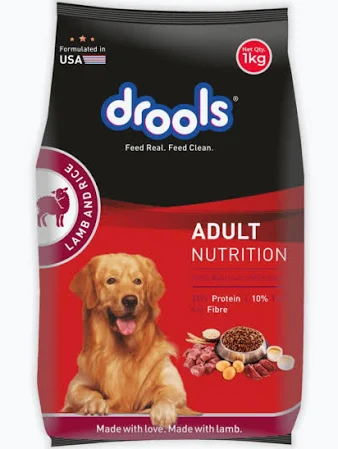
For brands such as Drools, customers can explore the specific product label and feeding recommendations to identify the option that best suits their pet’s needs. Product suitability should always be checked on the packaging or official product information.
How to Choose the Right Pet Food
Choosing pet food does not have to be confusing. Start with these simple steps:
Identify your pet’s life stage: Puppy, kitten, adult, or senior.
Check the food category: Make sure it is intended for your pet’s species.
Read the label: Review ingredients, nutritional information, and feeding instructions.
Consider your pet’s needs: Activity level, size, preferences, and any dietary requirements.
Introduce changes gradually: Sudden food changes may upset some pets.
Ask a veterinarian when needed: Especially for medical conditions or specialized diets.
Final Thoughts
The future of pet food in India is moving toward better awareness, more specialized choices, and greater convenience. Whether you are a first-time pet parent or have been caring for pets for years, understanding nutrition can help you make more informed everyday decisions.
At KibbleCove, our goal is to make pet shopping easier by helping pet parents discover useful products for their beloved companions. From everyday pet food to treats and other pet essentials, we believe informed choices and thoughtful care go hand in hand.
Because every happy pet deserves care that starts with the right meal.